
June 15, 2026
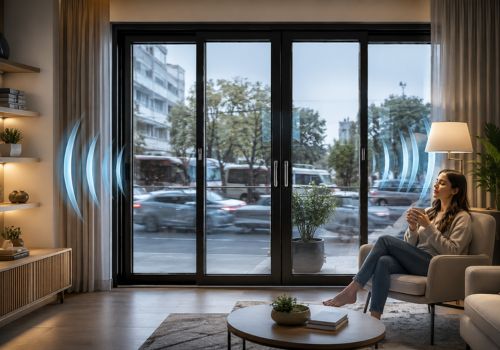
Noise pollution has become a growing concern in modern cities and residential communities. Whether it is traffic outside your window, construction work nearby, noisy neighbours, aircraft sounds, or constant activity in commercial areas, unwanted noise can quickly affect your quality of life. As urban development continues to increase, finding effective ways to create peaceful indoor environments has become more important than ever.
Many people underestimate the impact of noise on daily life. Continuous exposure to unwanted sounds can disrupt sleep, reduce concentration, increase stress levels, affect productivity, and make it difficult to relax. For homeowners, apartment residents, villa owners, and office professionals, maintaining a quiet and comfortable space is essential for overall well-being.
Traditional doors often allow sound to travel freely between indoor and outdoor spaces. Even beautifully designed homes and offices can suffer from noise problems if their doors do not provide adequate sound insulation. This is where Soundproof Glass Doors have become a preferred solution. They combine modern aesthetics with advanced acoustic technology to reduce noise while still allowing natural light to enter a space.
Today’s Soundproof Glass Doors are available in various styles and performance levels. Whether you need a quiet bedroom, a productive home office, a peaceful hotel room, a private healthcare facility, or a distraction-free conference room, there is a soundproof glass door solution designed to meet your needs.
This guide explores everything you need to know about Soundproof Glass Doors, including how they work, the different types available, their benefits, STC ratings, installation requirements, maintenance tips, cost considerations, and how to choose the best option for your property.
Soundproof Glass Doors are specially engineered door systems designed to reduce sound transmission from one space to another. Unlike standard glass doors, they use advanced acoustic technologies that help block, absorb, and reduce noise.
These doors typically include:
While no door can eliminate every sound completely, high-quality noise reduction glass doors can significantly reduce unwanted noise and create a more comfortable environment.
Understanding how these doors function helps buyers make better purchasing decisions.
Thicker glass naturally blocks more sound than thinner glass. Sound waves have a harder time passing through dense materials.
Laminated glass doors contain two or more glass panels bonded together using a special acoustic interlayer. This layer absorbs sound vibrations and reduces noise transmission.
Double glazed glass doors use two glass panes separated by an air gap. Some premium systems even use three panes for improved sound insulation.
The space between glass panels acts as a sound barrier, helping reduce the transfer of noise.
Even small gaps around a door can allow significant amounts of sound to pass through. Acoustic seals help eliminate these weak points.
Strong and properly designed frames support the overall acoustic performance of the door system.
When comparing Soundproof Glass Doors, you will often encounter STC ratings.
STC stands for Sound Transmission Class.
This rating measures how effectively a door blocks sound. Higher numbers indicate better noise reduction performance.
| STC Rating | Performance Level |
|---|---|
| 25–30 | Basic sound reduction |
| 30–35 | Moderate noise control |
| 35–40 | Good residential performance |
| 40–50 | Excellent sound insulation |
| 50+ | Premium acoustic performance |
Different spaces require different soundproofing solutions. Understanding the available options can help you select the most suitable door system.
Among all acoustic glass doors, laminated options are considered some of the most effective.
Double glazed glass doors combine sound insulation and energy efficiency.
Soundproof sliding glass doors are ideal for modern spaces where maximizing room area is important.
These advanced soundproof door systems use reinforced frames and sealing technologies to improve acoustic performance.
Commercial soundproof glass doors are designed for high-traffic environments.
Residential soundproof doors are specifically designed for home environments.
| Door Type | Noise Reduction | Best Use Case | Maintenance | Investment Level |
|---|---|---|---|---|
| Acoustic Laminated Glass Doors | Excellent | Luxury homes and offices | Low | High |
| Double Glazed Glass Doors | Very Good | Homes and apartments | Low | Medium |
| Soundproof Sliding Glass Doors | Good to Very Good | Balconies and patios | Medium | Medium |
| Commercial Soundproof Glass Doors | Excellent | Hotels and offices | Low | High |
| Residential Soundproof Doors | Good | Bedrooms and living spaces | Low | Medium |
| Framed Soundproof Door Systems | Excellent | Conference rooms | Low | High |
A quieter bedroom helps people fall asleep faster and enjoy uninterrupted rest.
Conversations remain more private inside the home.
Modern soundproofing solutions can make properties more attractive to potential buyers.
Reduced noise creates a calmer atmosphere throughout the home.
A quiet environment improves focus and productivity.
Less noise allows employees to concentrate on important tasks.
Private discussions remain secure.
Modern glass door systems enhance office aesthetics while improving functionality.
A quieter office contributes to employee satisfaction and comfort.
Several factors influence how well Soundproof Glass Doors perform.
Thicker glass generally blocks more sound.
Additional layers improve acoustic performance.
A high-quality frame supports better sound insulation.
Poor seals can reduce the effectiveness of even premium glass systems.
Improper installation can create gaps that allow sound leakage.
Selecting the right door involves more than simply choosing the thickest glass.
Consider whether the noise comes from:
Different spaces require different performance levels.
For example:
Choose between:
Always review acoustic performance specifications before purchasing.
The glass, frame, seals, and installation all contribute to overall performance.
Higher-quality systems often provide greater comfort and value over many years.
Professional installation plays a major role in achieving effective soundproofing.
Proper sizing prevents gaps and alignment issues.
The supporting wall structure must accommodate the door system.
High-performance seals help prevent sound leakage.
Correct positioning ensures smooth operation and optimal acoustic performance.
Maintaining Soundproof Glass Doors is generally simple.
Use a soft cloth and suitable glass cleaner.
Replace damaged seals promptly.
Keep moving parts clean and functioning properly.
Strong chemicals can damage seals and hardware finishes.
Lower prices often mean lower acoustic performance.
Always compare noise reduction capabilities.
Professional installation is essential.
Frames and seals are equally important.
Consider long-term requirements before making a purchase.
High-performance noise cancelling glass doors usually cost more than standard glass doors.
Benefits may include:
Many double glazed glass doors also improve thermal insulation, helping reduce energy costs.
For most homeowners and business owners, the answer is yes.
The ability to reduce unwanted noise can improve comfort, productivity, privacy, and overall quality of life. While the initial investment may be higher than traditional doors, the long-term benefits often outweigh the upfront cost.
Properties located near busy roads, airports, schools, commercial districts, or high-traffic areas often experience the greatest value from installing Soundproof Glass Doors.
Modern acoustic glass doors are specifically engineered to reduce noise transmission.
Different glass compositions and door systems offer very different acoustic capabilities.
Soundproofing reduces noise significantly but does not eliminate all sounds.
Homes, apartments, villas, hotels, and healthcare facilities can benefit as well.
Even the best door system can underperform if installed incorrectly.
Yes. High-quality Soundproof Glass Doors can significantly reduce outside noise when installed correctly.
Acoustic laminated glass is often considered one of the most effective soundproofing options.
The amount depends on the door’s STC rating, glass construction, and installation quality.
Yes. Double glazed glass doors provide good sound insulation and energy efficiency.
Yes. Modern soundproof sliding glass doors offer effective noise reduction while maximizing space and natural light.
Yes. Many systems are designed for retrofit installations.
Costs vary depending on glass type, door size, frame design, acoustic rating, and installation requirements.
No. Basic cleaning and periodic seal inspections are usually sufficient.
Most homes benefit from doors with STC ratings between 35 and 45.
They can improve comfort, privacy, and property appeal, which may positively influence resale value.
A peaceful environment is becoming increasingly important in both residential and commercial spaces. Whether you want to reduce traffic noise in your home, create a more productive office, improve privacy in a healthcare facility, or enhance guest comfort in a hotel, investing in high-quality Soundproof Glass Doors can be a smart long-term decision.
From acoustic glass doors and laminated glass doors to double glazed glass doors, soundproof office doors, and advanced commercial soundproof glass doors, there are solutions available for almost every noise challenge and design preference.
If you are planning to install a soundproof glass door system, professional guidance can help ensure you select the right solution for your specific requirements. Deto Automatic Doors LLC can assist homeowners, architects, interior designers, commercial property owners, and facility managers in choosing the ideal soundproof glass door system that balances performance, aesthetics, and long-term value.
Ready to enjoy a quieter and more comfortable environment? Contact us today to discuss your project and discover the right soundproof glass door solution for your space.