
June 20, 2026
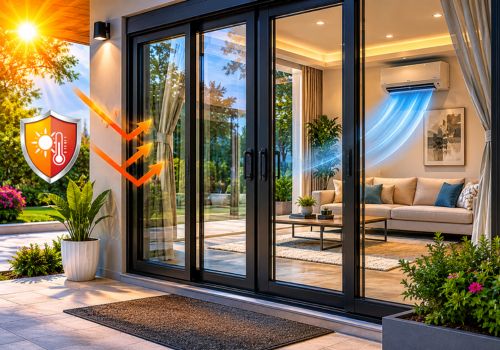
Over the last few years, summers have become hotter, and heat levels inside homes are rising too. Many homeowners now feel uncomfortable even with fans or air conditioners running all day. This is not just about comfort anymore—it is also about safety, energy bills, and smart home design.
Because of this, more people are now choosing Heat-Resistant Glass Doors for Homes to improve their living spaces. These modern doors are designed to reduce heat transfer, improve indoor comfort, and enhance the overall look of a home. They also help in lowering electricity bills by reducing the need for constant cooling.
Today’s homeowners, villa owners, architects, and interior designers are all focusing on energy-efficient and stylish solutions. That is where heat-resistant glass doors come in. They combine beauty, strength, and performance in one product.
Unlike traditional wooden or basic glass doors, modern energy-efficient glass doors are built using advanced materials like tempered glass, laminated layers, and insulated glass units. These materials help block heat, improve safety, and increase durability.
Whether you are building a new home or renovating an old one, upgrading to modern glass door solutions can completely transform your space. From living rooms to balconies, patios to kitchens, these doors are becoming a top choice for residential design.
In this guide, we will explore everything you need to know about Heat-Resistant Glass Doors for Homes, including types, benefits, features, cost factors, and expert buying tips.
Heat-Resistant Glass Doors for Homes are specially designed doors made from strong, treated glass that can handle high temperatures and reduce heat transfer.
These doors are built using advanced technology that helps maintain indoor temperature and improve comfort. They are commonly used in modern homes, villas, and luxury apartments.
Key materials used include:
These materials make the doors strong, safe, and energy-efficient.
In simple terms, these doors act like a barrier between indoor and outdoor heat, keeping your home cooler in summer and warmer in winter.
The working principle of thermal insulated doors is simple but very effective.
They reduce heat transfer using multiple layers and special coatings.
Here’s how they work:
All these features work together to reduce heat flow, making your home more comfortable and energy-efficient.
This is why insulated glass doors are now widely used in modern architecture.
There are several types of heat-resistant glass doors, each designed for different needs and spaces.
Tempered glass doors are heat-treated to become stronger than normal glass. They can handle high temperatures and sudden impacts.
These doors use multiple glass layers bonded together. Even if broken, the glass stays in place, improving safety.
Insulated glass doors use two or more glass panels with air or gas in between. This helps reduce heat and noise.
Fire-resistant glass doors are designed to withstand fire and high temperatures for a limited time, improving home safety during emergencies.
Heat-resistant sliding glass doors are perfect for patios, balconies, and garden entrances. They save space and improve airflow.
Modern residential glass doors come with advanced features that make them ideal for homes:
These features make them a smart investment for homeowners who want comfort and style together.
Choosing Heat-Resistant Glass Doors for Homes offers many advantages:
They keep indoor temperatures stable, even during extreme weather.
Made with strong materials, they reduce breakage risks and improve security.
They give homes a stylish and luxurious look.
They reduce the load on air conditioners, lowering electricity bills.
They block outside noise, creating a peaceful indoor environment.
One of the biggest benefits of energy-efficient glass doors is lower energy consumption.
They help in:
Over time, homeowners can save a significant amount on energy costs.
Modern safety glass doors are designed with multiple protection layers.
They offer:
This makes them a safe option for families with children and elderly members.
Architects and designers love modern glass door solutions because they fit almost any home design style.
They can be used in:
Glass doors also allow natural light to enter, making spaces look larger and brighter.
| Type | Heat Resistance | Durability | Safety | Maintenance | Best Use |
|---|---|---|---|---|---|
| Tempered Glass | Medium | High | High | Easy | Bedrooms, living rooms |
| Laminated Glass | High | Very High | Very High | Easy | Main entrances |
| Insulated Glass | Very High | High | High | Medium | Energy-saving homes |
| Fire-Rated Glass | Very High | High | Very High | Medium | Kitchens, safety zones |
Heat-Resistant Glass Doors for Homes can be installed in many areas:
Each location benefits differently from heat control and design improvement.
Many homeowners make mistakes when choosing glass doors:
Avoiding these mistakes ensures long-term performance and safety.
Yes, absolutely. Heat-Resistant Glass Doors for Homes are a long-term investment.
They may cost more initially, but they offer:
Over time, they pay for themselves through savings and durability.
Here are some simple tips:
Choosing the right door ensures long-term satisfaction and performance.
They are made using tempered, laminated, or insulated glass with special coatings for heat control.
Yes, they reduce heat transfer and help keep indoor spaces cooler.
Yes, they are made from strong safety glass that reduces breakage risks.
Yes, they are designed to handle heat, cold, and humidity.
Yes, they reduce air conditioning usage, saving energy costs.
With proper care, they can last for many years, often 15–25 years or more.
No, they are easy to clean and require low maintenance.
Yes, insulated versions offer good sound reduction.
They are ideal for balconies, patios, living rooms, and garden entrances.
Yes, slightly more expensive, but they offer better long-term value.
Choosing the right door is not just about looks; it is about comfort, safety, and long-term value. Heat-Resistant Glass Doors for Homes bring all these benefits together in one smart solution.
They are becoming an essential part of modern home design, especially for homeowners who want energy savings and a stylish lifestyle.
For expert guidance and customized solutions, you can connect with Deto Automatic Doors LLC. Their team helps homeowners, builders, and designers choose the right heat-resistant glass doors based on space, safety needs, and design preferences.
If you are planning a home upgrade or building a new space, now is the perfect time to explore modern glass door solutions that improve comfort and add lasting value.
Contact us today to get expert advice and find the perfect heat-resistant glass door solution for your home.