
August 02, 2026
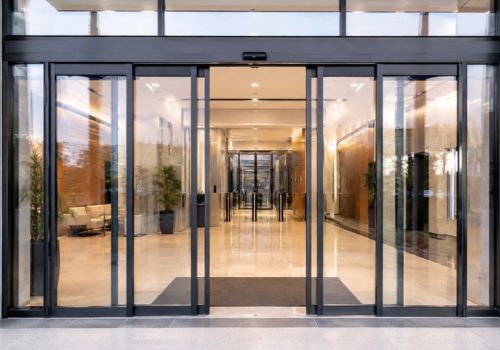
Modern buildings need entrances that are smart, convenient, and space-efficient. Traditional doors often require more space to open and close, which can create problems in busy areas. This is where Telescopic Automatic Doors become useful. These advanced automatic entrance systems provide smooth movement, better space utilization, and easy access for visitors.
From hospitals and airports to shopping malls, hotels, and corporate offices, telescopic doors are becoming a preferred choice for architects, builders, and facility managers. They offer a practical solution where wider openings are needed, but available space is limited.
Telescopic Automatic Doors are a type of automatic sliding door system where multiple door panels slide and stack behind each other when the door opens. Unlike standard sliding doors that require one panel to move behind another fixed panel, telescopic doors use two or more sliding panels on each side to create a wider entrance opening.
These doors are designed to maximize clear passage space without requiring a large side area. This makes them ideal for locations where entrance width is important, but space is restricted.
A simple example is a hospital entrance where patients may need to enter with wheelchairs, stretchers, or medical equipment. A normal sliding door may not provide enough opening width, but a telescopic sliding door system can create a much larger passage.
The working principle of automatic telescopic sliding doors is similar to regular automatic sliding doors, but the movement mechanism is more advanced.
When a person approaches the entrance:
The special design of the telescopic door mechanism allows multiple panels to move in a limited space while creating a wider opening.
For example, a standard sliding door may provide around 50% opening space, while telescopic doors can provide up to 70% or more clear opening depending on the design.
A complete telescopic automatic entrance system includes several important parts that work together for safe and smooth operation.
| Component | Function |
| Door Panels | Glass or other panels that slide to open and close the entrance |
| Motor Unit | Provides power for door movement |
| Control System | Controls opening speed, timing, and safety settings |
| Sensors | Detect people approaching the door |
| Safety Sensors | Prevent accidents by detecting obstacles |
| Sliding Track | Guides door panels during movement |
| Rollers | Help panels move smoothly |
| Backup Battery | Keeps doors working during power failure |
A reliable telescopic sliding door system requires high-quality components because these doors are usually installed in areas with heavy daily traffic.
Businesses and commercial buildings choose Telescopic Automatic Doors because they provide several practical benefits compared to traditional entrance systems.
One of the biggest advantages of telescopic doors is their space-saving design. They require less side space compared to normal sliding doors.
This makes them suitable for:
These are known as space-saving automatic doors because they provide maximum opening width without needing large installation areas.
Many buildings require wide entrances for comfortable movement. Hospitals, malls, and airports often experience high visitor traffic where narrow doors can create congestion.
Telescopic Automatic Doors provide a wider opening, allowing:
Modern buildings must focus on accessibility for everyone. Automatic doors help create barrier free entrances for elderly people, wheelchair users, and visitors carrying luggage.
They are especially useful as hospital automatic doors because they allow medical staff and patients to move easily without touching door handles.
Safety is a major priority in automatic entrance systems. Modern telescopic doors include sensors that detect obstacles and prevent accidental closing.
Safety features include:
This makes them suitable for busy commercial environments.
Open doors can increase energy loss in air-conditioned buildings. Automatic doors help control indoor temperature by opening only when required.
Many businesses choose energy-efficient automatic doors because they help reduce unnecessary air conditioning costs and improve indoor comfort.
Although both systems work automatically, their design and applications are different.
| Feature | Telescopic Automatic Doors | Standard Sliding Doors |
| Door Panels | Multiple sliding panels | Usually one or two panels |
| Opening Width | Wider clear opening | Limited opening space |
| Space Requirement | Less side space needed | Requires more side space |
| Best For | High traffic and restricted areas | General entrances |
| Installation Cost | Usually higher | More affordable |
| Application | Hospitals, malls, airports, hotels | Offices, shops, buildings |
The main difference is the movement design. A standard sliding door moves one panel behind another, while telescopic doors allow multiple panels to stack together.
Telescopic Automatic Doors are used in many industries where smooth movement, safety, and space efficiency are important.
Hospitals are one of the most common places where telescopic doors are installed.
Healthcare buildings need entrances that support:
Hospital automatic doors improve hygiene because users do not need to touch door surfaces.
Common locations include:
Retail businesses focus heavily on customer experience. A crowded entrance can create inconvenience for shoppers.
Retail automatic doors provide:
Large stores often prefer automatic sliding glass doors because they provide visibility and an attractive entrance design.
Modern offices use automatic entrance systems to create professional and welcoming spaces.
Office entrance automatic doors are commonly installed in:
They improve building aesthetics while offering convenient access for employees and visitors.
Hotels need entrances that provide comfort and luxury. Automatic doors allow guests to enter easily while carrying luggage.
Applications include:
Airports experience thousands of visitors every day. Entrance systems must handle heavy traffic without delays.
Telescopic doors help manage:
Banks and public offices use automatic doors to improve security and visitor convenience.
They are useful for:
| Industry | Why They Use Telescopic Doors |
| Hospitals | Easy movement of patients and equipment |
| Retail Stores | Better customer entry experience |
| Hotels | Premium appearance and convenience |
| Offices | Professional entrance design |
| Airports | Handles high visitor traffic |
| Banks | Controlled and safe access |
| Educational Buildings | Easy student movement |
| Residential Towers | Modern building entrances |
Installing Telescopic Automatic Doors requires proper planning because the performance and durability of the system depend on correct measurements, suitable components, and professional installation.
Before installation, building owners and contractors should consider the following factors:
The first step is checking the available wall space and entrance width. Although telescopic doors are designed to save space, the sliding panels still require enough room to stack properly.
Professionals usually evaluate:
A proper site inspection helps avoid installation problems later.
Every building has different visitor movement requirements. A small office entrance and a busy hospital entrance cannot use the same door system.
High traffic locations need:
A professional automatic door supplier can recommend the right system based on daily usage.
Most modern automatic doors use glass panels because they create a clean and premium appearance. However, the right glass type should be selected based on safety requirements.
Common options include:
For commercial buildings, safety glass is usually preferred because it reduces risks and improves durability.
Automatic doors require a stable electrical connection. Buildings should also consider backup power options to ensure continuous operation during power failures.
Important points include:
This is especially important for hospitals and emergency facilities.
When selecting a system, buyers should focus on features that improve safety, performance, and long-term value.
| Feature | Benefit |
| Smart Sensors | Detect visitors accurately |
| Silent Motor Operation | Provides smooth and quiet movement |
| Safety Sensors | Prevent accidents |
| Adjustable Speed Control | Allows customized opening and closing |
| Emergency Mode | Supports safe exit during emergencies |
| Durable Tracks | Improves product life |
| Low Energy Consumption | Reduces operating costs |
Choosing a high-quality system ensures better performance and fewer maintenance issues.
A professional automatic door installation usually follows a step-by-step process.
Experts inspect the entrance area and understand building requirements.
They check:
Based on the inspection, the suitable telescopic system is selected.
Factors considered include:
The upper track, motor unit, and control system are installed carefully to ensure smooth movement.
Glass panels are fitted with rollers and connected to the operating system.
Sensors are adjusted according to visitor movement. The system is tested multiple times to confirm:
Professional installation helps increase the life of the door system.
Regular automatic door maintenance is important to keep the system safe and efficient. Like any mechanical equipment, telescopic doors need periodic inspection.
| Maintenance Task | Recommended Frequency |
| Sensor checking | Monthly |
| Track cleaning | Monthly |
| Roller inspection | Quarterly |
| Motor testing | Quarterly |
| Safety system checking | Regularly |
| Complete servicing | As recommended by manufacturer |
Dust and dirt can affect door movement. Cleaning the sliding track regularly helps prevent:
Sensors are responsible for detecting people near the entrance. Incorrect sensor settings can cause:
Avoid repairing complex components without technical knowledge. Professional technicians can identify problems early and prevent expensive repairs.
Even high-quality systems may face issues if they are not maintained properly.
Some common problems include:
Possible reasons:
Possible causes:
This may happen due to:
Regular servicing helps prevent these problems.
The price of Telescopic Automatic Doors depends on several factors. There is no fixed cost because every project has different requirements.
Larger entrances require more materials and stronger operating systems.
A system with more sliding panels generally costs more because it requires additional components.
The type and thickness of glass affect the overall cost.
Advanced features such as smart sensors, access control, and energy-saving technology can increase the investment.
Complex installation areas may require additional structural work.
| Factor | Impact on Cost |
| Door Size | Larger size increases cost |
| Glass Type | Premium glass costs more |
| Motor Quality | Better motors increase durability |
| Sensors | Advanced sensors add value |
| Custom Design | Custom solutions require more investment |
Instead of selecting the cheapest option, businesses should focus on quality, safety, and long term performance.
Selecting the right system requires understanding your building needs.
Ask these questions:
A hospital will need a different system compared to a small office.
A trusted automatic door supplier provides:
Always choose systems that include:
A good system should have easily available spare parts and service support.
Every building has different requirements. Professional automatic door solutions can be customized according to:
Many buyers focus only on price and ignore important factors. Avoid these mistakes:
Cheap systems may have:
Incorrect installation can reduce door performance and safety.
A system designed for low traffic may fail in busy locations.
Regular servicing is necessary for smooth operation.
Professional companies help from planning to after sales support.
A reliable provider offers:
For commercial buildings, choosing experienced experts ensures better safety and long term value.
Telescopic Automatic Doors are automatic sliding doors with multiple panels that slide and stack behind each other to create a wider entrance opening while using less side space.
They are used in hospitals, shopping malls, airports, hotels, offices, banks, retail stores, and other commercial buildings where smooth visitor movement is required.
Yes, telescopic doors provide a wider opening and require less side space compared to standard sliding doors. They are ideal where maximum entrance width is needed.
They allow easy movement for wheelchair users, elderly visitors, patients, and people carrying luggage because they open automatically without physical effort.
Yes, hospital automatic doors are widely used because they support hygiene, accessibility, and smooth movement of patients and medical equipment.
Regular cleaning, sensor checks, and professional servicing are recommended to keep the system working safely and efficiently.
Yes, these doors open only when needed, helping control indoor temperature and supporting energy efficient building operations.
The cost depends on door size, glass quality, automation features, installation requirements, and customization needs.
Companies like Deto Automatic Doors LLC provide professional guidance, installation, and customized solutions for different commercial entrance requirements.
Consider your entrance size, visitor traffic, safety requirements, budget, and maintenance support before selecting a system. Consulting an experienced supplier can help you make the right decision.
A modern entrance creates the first impression of any building. Whether you manage a hospital, office, hotel, retail store, or commercial property, choosing the right automatic entrance system improves convenience, safety, and visitor experience.
Deto Automatic Doors LLC provides reliable Telescopic Automatic Doors, professional installation, and customized automatic entrance solutions designed for different commercial requirements. Their experts can help you select the right system based on your space, usage, and design needs.
For expert guidance, consultation, installation support, or customized automatic door solutions, contact us today and create a smarter, safer, and more efficient entrance for your building.